
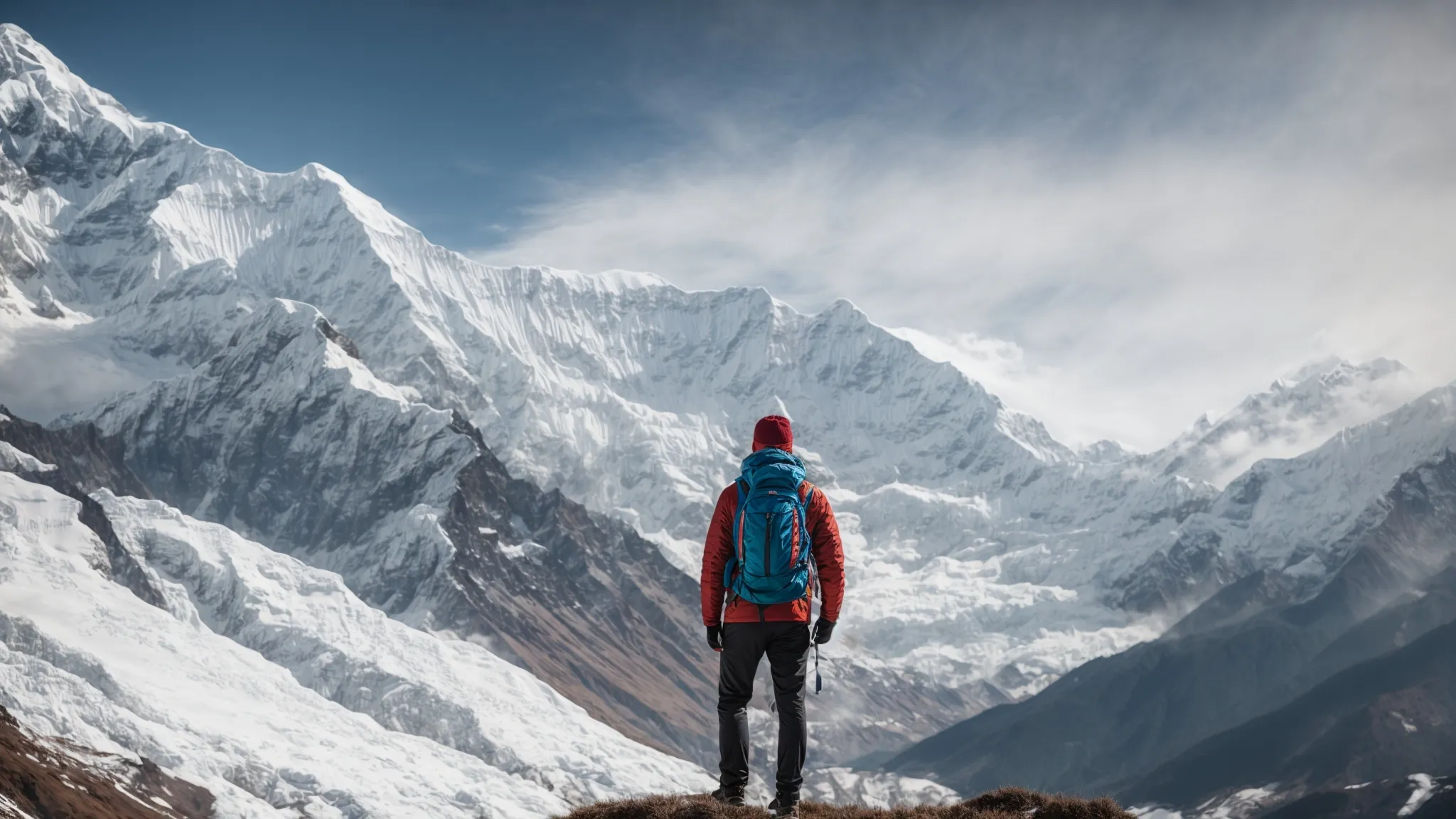
Traversing the Annapurna Circuit in Nepal is a dream for many adventurers, known for its stunning landscapes and cultural richness. With a route that spans over 160 miles through diverse terrain, preparation is key to a successful experience. Trekking this circuit demands physical fitness, acclimatization to high altitudes, and an understanding of regional customs.
Embarking on this revered trek requires careful planning and consideration. From choosing the right season to understanding local etiquette, each aspect can significantly enhance your journey. Below, find essential tips to navigate the challenges and revel in the beauty of trekking the Annapurna Circuit.
Preparing for Your Annapurna Circuit Trek: Essential Checklist
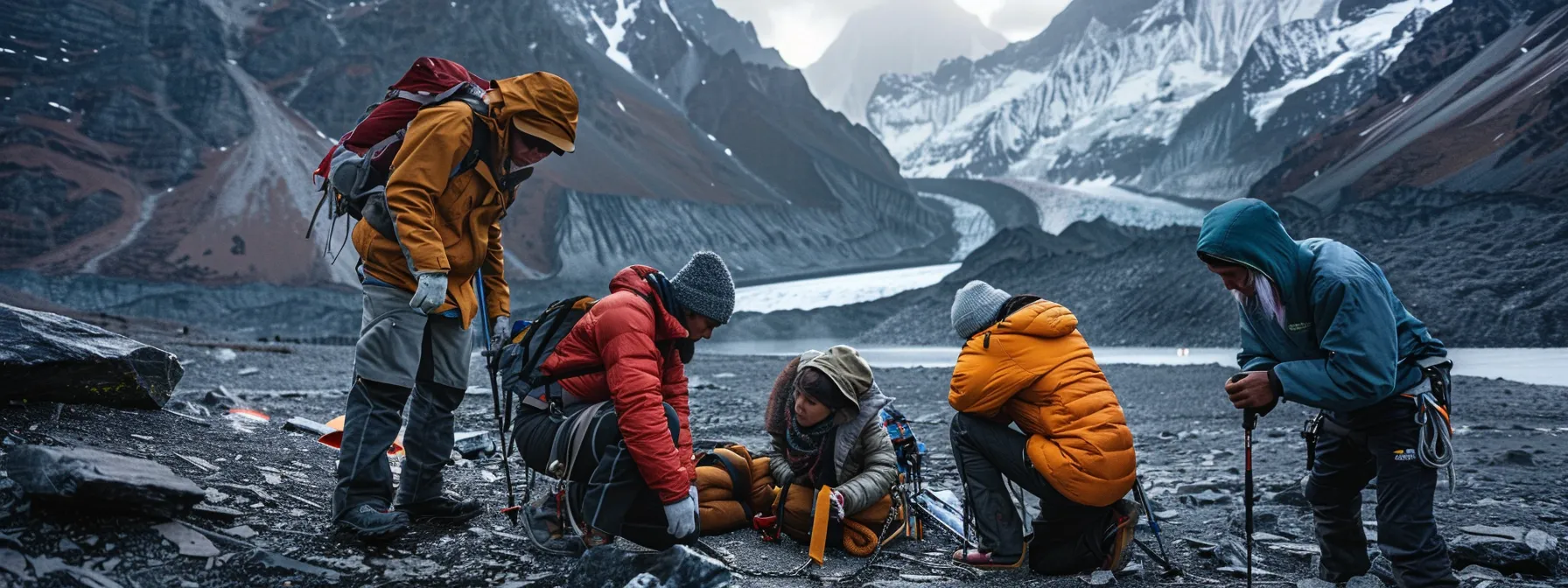
Embarking on the Annapurna Circuit demands rigorous preparation. A well-organized plan covers physical training, securing permits, and familiarizing yourself with the trek’s itinerary. Start planning at least six months ahead to ensure a smooth adventure.
Physical preparation should not be underestimated. Engage in regular cardiovascular exercises, strength training, and long walks or hikes carrying a backpack. This regimen helps condition your body for the strenuous journey ahead. Moreover, obtaining the Annapurna Conservation Area Permit (ACAP) and the Trekkers’ Information Management System (TIMS) card is mandatory for all trekkers.
Study the trek’s route and difficulty levels to prepare mentally. Knowing key rest points, altitude milestones, and potential hazards allows for better trek management and safety. Engage with online forums or local trekking agencies for insights and up-to-date information about the trail conditions.
Selecting the Best Season for Annapurna Circuit Trekking
Choosing the right time to trek the Annapurna Circuit significantly affects your overall experience. The pre-monsoon months of March to May and the post-monsoon months of September to November are considered the best times due to stable weather conditions and clear visibility.
The spring season welcomes trekkers with blossoming rhododendrons and moderate temperatures, while autumn boasts clear skies and unobstructed mountain views. Both seasons offer a vibrant atmosphere with cultural festivals that add to the trek’s allure. Conversely, monsoon and winter months can present treacherous trails and closed passes due to rainfall and snow.
Research the climate patterns for the season you are interested in and plan accordingly. For example, bringing adequate rain gear during the edge months of the monsoon or warmer clothing for the cooler evening temperatures of the high-altitude autumn season.
Navigating Altitude Sickness: Prevention and Management Strategies
Altitude sickness can be a serious concern on the Annapurna Circuit which reaches elevations above 17,000 feet. Prevention starts with a well-thought-out acclimatization plan that includes gradual ascent and rest days to adapt to the thinning air.
Recognizing the symptoms of altitude sickness such as headaches, nausea, dizziness, and fatigue—is crucial for quick response. Give your body the time to recover, stay hydrated, and avoid alcohol and tobacco. If symptoms persist or worsen, it’s essential to descend to a lower altitude immediately.
Carrying medication for altitude sickness, as directed by a healthcare professional, can be a prudent measure. However, it’s important to note that medication is not a substitute for proper acclimatization. Engage with experienced trekkers or Nepal trek costs service providers for additional advice on managing altitude during the trek.
Cultural Etiquette and Sustainable Practices While Trekking in Nepal
Respect for local customs and sustainable trekking practices is vital for a harmonious journey through Nepal. Understanding basic Nepalese greetings and manners, dress code, and temple etiquette will enrich your interactions with local communities.
When visiting sacred sites, always walk clockwise around stupas and mani walls, remove shoes before entering temples or homes, and avoid touching religious artifacts. Minimize your environmental impact by reducing waste, using biodegradable soaps, and carrying out any non-biodegradable items you bring in.
Support local economies by patronizing small businesses along the route. By staying in local teahouses and purchasing from village shops, you contribute to the livelihoods of the residents, ensuring that the benefits of tourism are felt by the communities that make the Annapurna Circuit so special.
Essential Gear and Packing Recommendations for the Annapurna Circuit

Proper gear is essential for a comfortable and successful Annapurna Circuit trek. Your packing list should be tailored to the season and include layers to accommodate the varying temperatures you’ll encounter.
Essential items include a high-quality sleeping bag, waterproof and insulated trekking boots, a durable backpack with a rain cover, and reliable trekking poles. Additionally, pack a first-aid kit, UV-protection sunglasses, a hat or cap for sun protection, and a water purification method.
Keep your load as light as possible without skimping on essentials. Prioritize multifunctional clothing and gear, and remember that many items can be rented or purchased in Kathmandu or Pokhara. Planning your packing strategy well in advance will prevent last-minute oversights and ensure that you’re well-prepared for the challenges of the circuit.
Ultimately, a successful trek around the Annapurna Circuit is built on thorough preparation, cultural appreciation, and proactive health management. With the right planning, gear, and respect for local customs and environment, trekkers can create a rewarding and memorable journey through one of Nepal’s most magnificent landscapes.
Reference Links:
- Anchor: “Nepal trek costs” | URL: https://excellenttrek.com/cost-of-annapurna-circuit-lowest-cheapest-economy-budget-for-private-trekking/ | Placement: Section [3], Paragraph [3]