
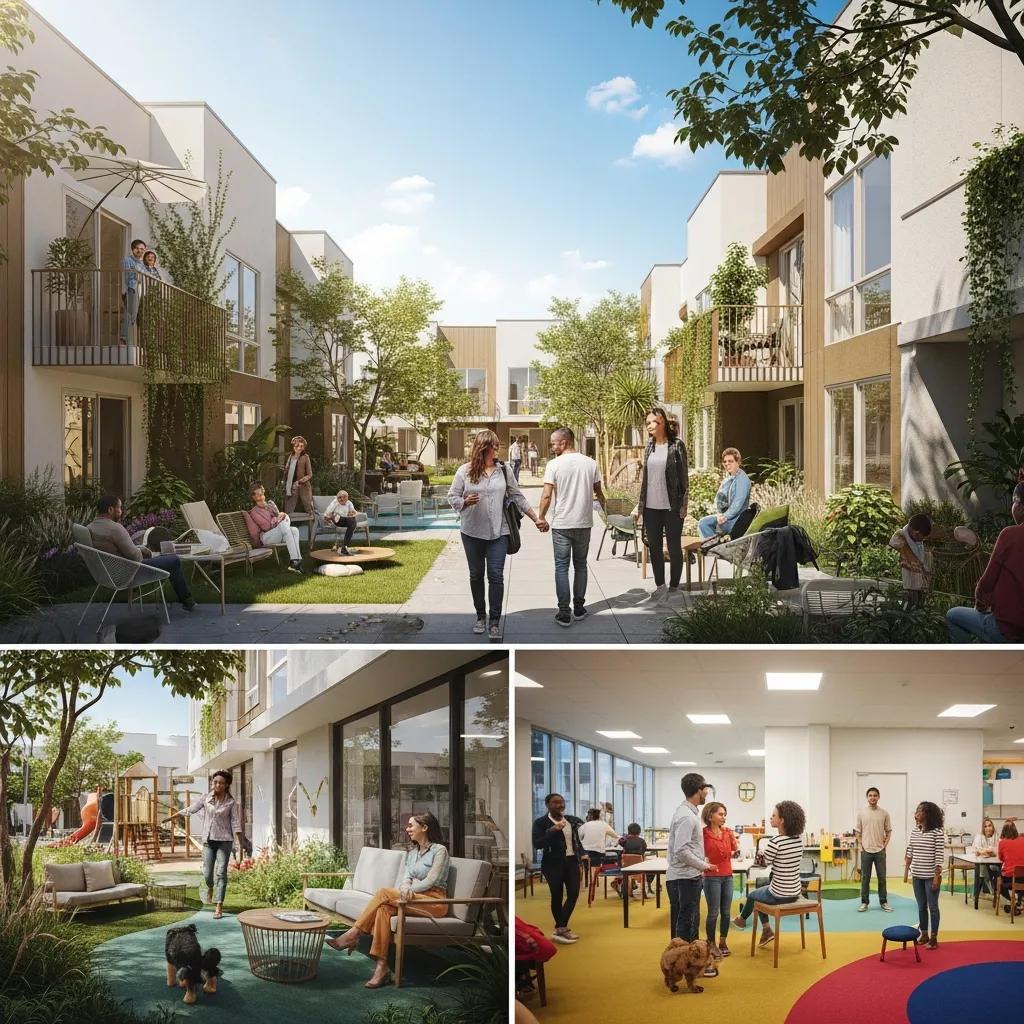
Finding suitable housing solutions in Los Angeles can be a daunting task, especially for those seeking affordable options that promote health and happiness. This article explores various affordable housing programs available in the city, the principles of healthy home design, and the role of lifestyle coaching in enhancing well-being. Many individuals face challenges in securing housing that meets their financial and lifestyle needs, but understanding the available resources can provide a pathway to better living conditions. We will delve into the types of affordable housing programs, the impact of home design on mental health, and how coaching services can support individuals in their housing journey. Additionally, we will discuss practical tips for home organization and emerging sustainable living solutions in Los Angeles.
Los Angeles offers a variety of affordable housing programs designed to assist residents in securing safe and stable living conditions. These programs aim to address the housing crisis by providing financial assistance, rental subsidies, and supportive services. Understanding the types of programs available and their eligibility criteria is crucial for those seeking affordable housing options.
Qualifying for affordable housing programs in Los Angeles typically involves meeting specific income limits and providing necessary documentation. Applicants must demonstrate their financial need, which often includes:
Understanding these requirements can help streamline the application process and increase the chances of securing affordable housing.
When exploring affordable housing options, it’s essential to compare the features and benefits of various programs. Below is a comparison of some key affordable housing options available in Los Angeles:
| Program Type | Features | Pros | Cons |
|---|---|---|---|
| Section 8 Housing Choice Voucher | Rental assistance for low-income families | Flexibility in choosing housing | Long waiting lists |
| Low-Income Housing Tax Credit (LIHTC) | Tax incentives for developers to create affordable housing | Increases affordable units | Limited availability |
| Public Housing | Government-owned housing units | Stable living conditions | May have strict eligibility criteria |
This comparison highlights the diversity of affordable housing options in Los Angeles, each with its unique advantages and challenges.
Further research delves into the effectiveness of programs like Section 8 in promoting tenant mobility and deconcentrating poverty within Los Angeles.
Los Angeles Housing Vouchers: Mobility & Poverty Deconcentration
ABSTRACT: In the 1990s housing mobility became a popular strategy for improving the lives of the poor. That decade, Los Angeles was chosen to participate in the U.S. Department of Housing and Urban Development’s “Moving to Opportunity” demonstration project that encouraged poor persons living in segregated low-income neighborhoods to move to neighborhoods with reduced racial segregation and less concentrated poverty. Congress expanded that program and established the Housing Choice Voucher program with the intent of deconcentrating poverty by increasing tenant residential mobility. This thesis evaluates the program’s success in deconcentrating low-income households in Los Angeles.
Have Section 8 Vouchers Increased Tenant Mobility in Los Angeles? Comparing Locational Distribution of Section 8 Households from 1997 to 2002, 1997
Healthy home design plays a significant role in enhancing the well-being of residents. By incorporating principles that promote physical and mental health, individuals can experience improved quality of life. Healthy home design focuses on creating environments that foster comfort, safety, and happiness.
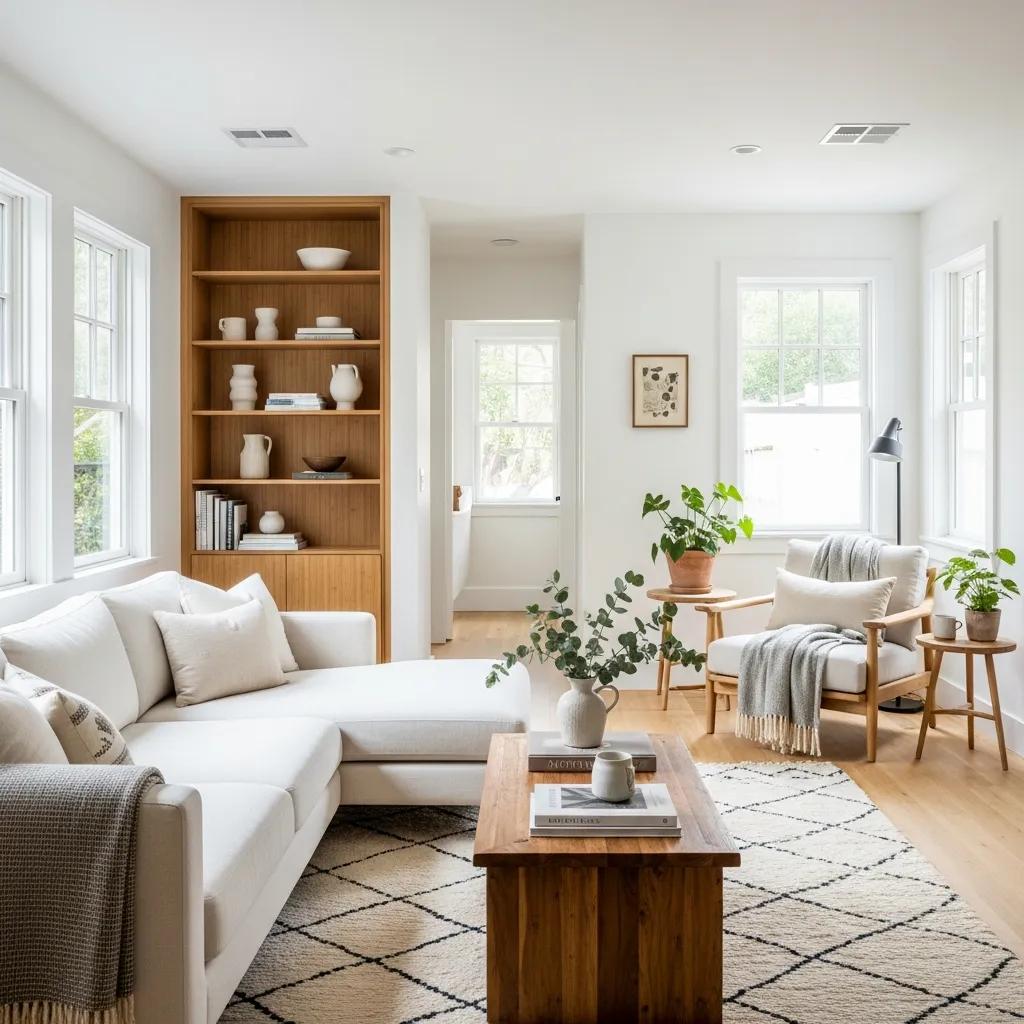
The principles of healthy home design include:
These principles are essential for creating spaces that support overall health and well-being.
The emerging field of neuroarchitecture further emphasizes how sustainable and non-toxic building materials can profoundly influence cognitive function and emotional well-being.
Neuroarchitecture: Sustainable Materials for Mental Well-being
Growing interest in sustainable architecture has highlighted not only ecological benefits but also potential impacts on mental and neurological health. This review explores the emerging field of neuroarchitecture, focusing on how environmentally friendly building materials influence cognitive function, stress regulation, and emotional well-being. A narrative review was conducted across interdisciplinary literature in neuroscience, environmental psychology, biophilic design, and sustainable architecture. The review analyzed peer-reviewed studies on eco-friendly materials—including wood, bamboo, cork, and stone—and their influence on neurological biomarkers, sensory engagement, and psychological health. Preliminary evidence suggests that exposure to natural, non-toxic materials is associated with reduced stress markers (e.g., lower cortisol), improved mood, and
Neuroarchitecture and Mental Health: The Role of Sustainable Building Materials in Cognitive and Emotional Well-Being, 2025
Research indicates that the design of our living spaces can significantly impact mental health. Cluttered and poorly designed environments can lead to increased stress and anxiety. In contrast, organized and thoughtfully designed homes can promote feelings of calm and happiness. Key findings include:
Understanding these connections can motivate individuals to prioritize healthy home design in their living spaces.
Lifestyle coaching services in Los Angeles provide valuable support for individuals seeking to improve their housing situations and overall well-being. These services often integrate health, home, and happiness, offering a holistic approach to lifestyle improvement.
Coaching services focus on helping individuals identify their goals and develop actionable plans to achieve them. Key aspects of this integration include:
This comprehensive approach can lead to significant lifestyle improvements and enhanced overall happiness.
Studies on peer-led interventions in supportive housing further illustrate the positive health impacts of structured lifestyle programs.
Peer-Led Healthy Lifestyle Programs in Supportive Housing
The effectiveness trial will test the health impacts of a peer-led healthy lifestyle intervention versus usual care in supportive housing agencies. The healthy lifestyle intervention is derived from the Group Lifestyle Balanced Program, lasts 12 months, and will be delivered by trained peer specialists. Repeated assessments will be conducted at baseline and at 6, 12, and 18 months post randomization.
Peer-led healthy lifestyle program in supportive housing: study protocol for a randomized controlled trial, LJ Cabassa, 2015

Many residents of Los Angeles have experienced transformative changes through lifestyle coaching. Success stories often highlight:
These testimonials underscore the positive impact that lifestyle coaching can have on individuals seeking to improve their living situations.
Home organization is a crucial aspect of creating a healthy living environment. An organized home can lead to increased happiness and reduced stress levels. Implementing effective organization strategies can significantly enhance the quality of life for residents.
To create a more organized and peaceful home, consider the following tips:
These practical steps can lead to a more harmonious living environment.
The connection between home organization and lifestyle improvements is profound. An organized home can lead to:
By prioritizing home organization, individuals can create a foundation for a happier and more fulfilling life.
Sustainable living solutions are becoming increasingly important in the context of housing in Los Angeles. These solutions aim to reduce environmental impact while promoting healthier living conditions.
Emerging trends in sustainable housing include:
These trends not only benefit the environment but also enhance the quality of life for residents.
Integrating sustainability into home design involves:
By prioritizing sustainable practices, homeowners can create healthier living environments that contribute to overall well-being.